
I’ve neglected you again, my little thought receptacle. I’ve stared straight ahead at these mountain roads trying to wrap my head around our current state of affairs for the past several weeks. These are some wild and important times. A global pandemic and an uprising over racial inequality and prejudice in criminal justice. It is too much to conquer in one sitting – maybe I should just unload my mind vomit surrounding COVID-19 first.
I don’t think there is ever a convenient time for a pandemic, but the SARS-2-Coronavirus arriving in the USA in a presidential election year sure complicates messaging. Which news source does one believe? Is it being hyped up? Are we instilling fear and keeping things closed due to ulterior motives? Is it actually a serious concern and we’re being conditioned to ignore it so that the economy improves and political candidates can beat their chests to claim responsibility for beating the virus? Are facts really facts?
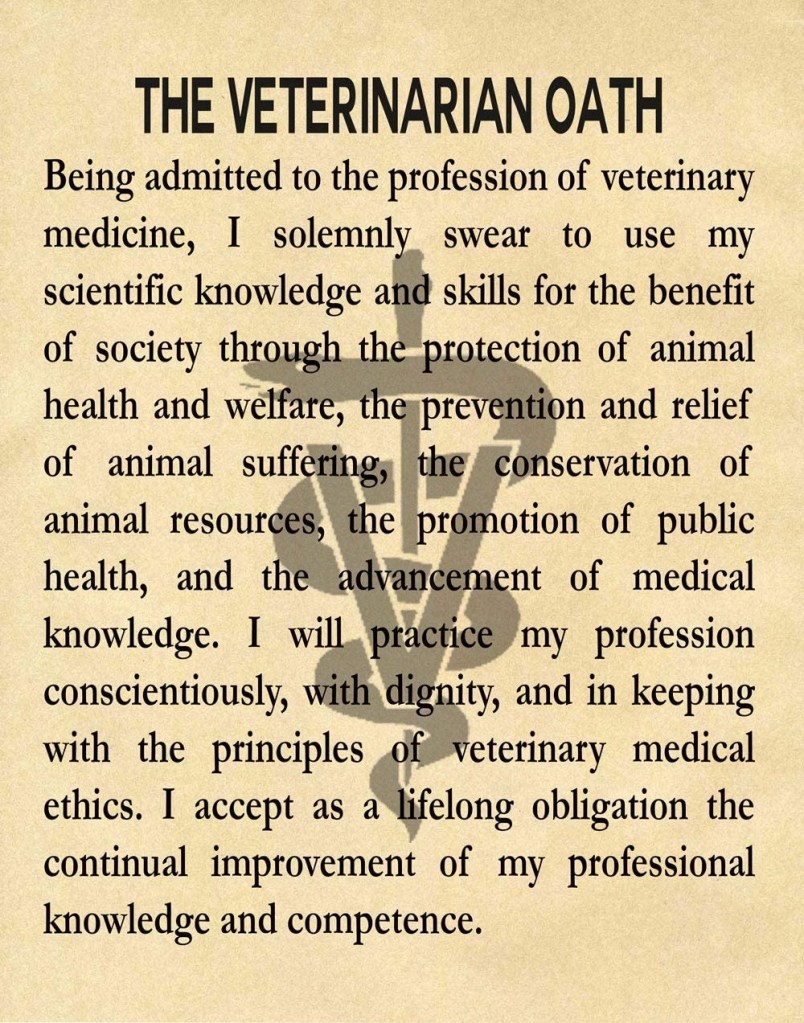
Overwhelming. Information overload. Conflicting reports. Skewed messaging. I’ll start with speaking about my bias. I have been trained to think critically about problem solving, relying on evidence to make treatment decisions. Veterinarians are trained in comparative medicine and biology, as well as epidemiology and population health – “herd health” management. Herds and flocks of animals battle outbreaks of common and emerging diseases. Sometimes these are even zoonotic diseases – those that affect humans and animals. Shoot, I even took an oath to promote public health. So, this is me. I like facts. I like to point out bias, know my sources, recognize subjectivity, know the predictive value of tests, and form conclusions taking it all into consideration.
This is a novel disease – a mutation of a known family of viruses that does not quite act like its cousins. In many regards, we are learning as we go. Small studies will be published in the midst of our current fight to help spread knowledge of effective (and ineffective) treatments and community public health practices. We will rely on these facts until something disproves them or something new improves the outcomes. We will continue to learn in the years after COVID-19 is long gone or under control. We will look back at all the numbers, deaths, treatment outcomes, predisposing health conditions, occupational hazards, and we will add to the medical literature so that we are armed with more information for the next novel disease. This is how medicine works. We learn from these cases, identify what worked, what did not work, and we improve how we teach medical students, and reteach practitioners through continuing education going forward.
Every medical student (and veterinary medical student) is taught epidemiology and public health by looking back at historical outbreaks and lessons learned. Those effective principles and knowledge of how infectious diseases cause pathology in our patients are our ammunition for tackling new problems. So when it comes to Sars-2-Coronavirus – we know how it is spread, we have identified many things that it can do to the body, and we have identified ways of mitigating risk of spread. Social distancing, a term that most people learned in the past 6 months, is being preached – staying out of the crowds and maintain 6 feet from others. This includes avoiding time indoors with crowds. Face masks, while hotly debated, just makes good sense when you can’t distance yourself from others to try to block some of the viral particles in normal respiratory droplets. Covering the sneeze and cough, just as your mother taught you. Washing your hands, another common sense approach. Avoid touching your face – just like flu season.
It is all fairly easy stuff, but that social distancing thing has really caused some discomfort. It is not possible to stay safe in many work environments – slaughterhouses, call-centers, restaurants, bars, factories, schools, childcare facilities, nursing facilities, salons and beauty parlors, dental offices, optometrist offices, and on and on it goes. People are out of work. The government has pumped out relief dollars to individuals and business and unemployment has sky rocketed. Conveniences are disrupted. Life is disrupted. The typical human response has been fairly predictable – some feel it is a conspiracy of control, some are scared, some are following directions of the medical community, and some are just angry (and perhaps buy the conspiracy theory) and refuse to stray from their normal routine. What ever you might be feeling – allow yourself to have that emotion. I won’t be trying to sway anyone here.
We struggle with the changing information delivered by media – death counts, new positive cases, percentages and rates, hot spots for disease, new ways the disease is spread, new symptoms it causes, etc. It is particularly difficult when elected and appointed officials are giving recommendations with their political fate on the ballot in 4 months and the economy is feeling a squeeze and voters are out of work. I tend to rely on common sense and just hear what scientists and medical professionals are recommending, and blend the two. I am fortunate that I largely work outdoors with my clients and their animals, automatically reducing our risks of contaminating one another. However, I have clients over 60 years old and many with health concerns they have voiced to me and I make an effort to be extra careful for them. I have a mask and I’ll wear it for them. I have an assistant with me during the workday, and she and I will handle things that the client might normally do – like hold the horse. We’ll step out of the barn into the open air to see the patient. Earlier on, we were glad to reschedule a wellness visit for a few weeks to see how things played out. Our hands are so preserved in alcohol based disinfectants that they’ll dig up our corpses in 2000 years and there our perfectly preserved hands will be among the bones and dust.
My approach is just to think about others, and practice good hygiene and distancing for myself. I’m a natural introvert – I have not missed going to restaurants, events, or anything. I work alone at my farm, clean up the creek, ride the horses, and am quite content. It is probably more difficult for my extroverted friends. Being considerate of others is a challenge for some people in our society, and we won’t change those people during a pandemic. We make our own decisions about our health and bodies. Sometimes, we wisely consider the opinion of our healthcare provider. Other times, and much to the chagrin of all of us in the healthcare field, people act on the opinion of a google search, discussion board, or some gaggle of knuckleheads preaching from the social media peanut gallery. I do hope you might rely on a healthcare organization, authority, or practitioner’s advice for protecting yourself during these times. And yes, I hope you might find creative ways of showing love and help model behavior to the “not-so-considerate” of those among us. If not for just getting through this Covid-19 bump in the road, but for the good of our world in healthier days.
 windshieldrambling.com